
The problem my mentors had
Maintainers I worked with were reading the same feature request in five places and still guessing at priority. The signal existed; it was just fragmented across platforms that do not talk to each other.
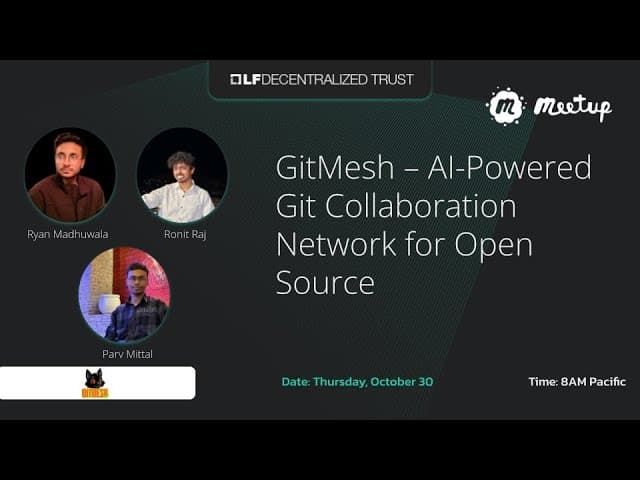
I started GitMesh on the side to fix that, and ended up leading it from prototype through architecture, technical direction and community growth.
Turning scattered signal into a ranked backlog
- Problem
- Engineering feedback arrives as issues, threads, chat messages and forum posts, in different shapes, with heavy duplication and no shared notion of importance.
- Approach
- Large-scale ingestion pipelines normalise nine external sources into one data model, then distributed workers enrich it: deduplication, classification, semantic search, and AI signal intelligence that scores what matters.
- Result
- Teams could prioritise against real community demand instead of whichever thread they happened to read. Adopted across LFDT, Jaeger, Cartography and Krkn (CNCF), the Linux kernel community, The Linux Foundation, Intel Open Source and AIFAQ.
What that scale looked like
Fourteen services and nineteen shared libraries behind 312 endpoints, over 92 tables carrying 309 indexes, with nine platform integrations feeding them.
Asynchronous workers and distributed queues handle the throughput, OpenSearch backs semantic retrieval, Redis handles caching and coordination, and Temporal runs the long workflows that cannot be allowed to half-finish.
Documenting a surface that size is its own job — GitMesh was part of the Mintlify open source program, which the docs were published through.
Becoming a lab
Getting into LF Decentralized Trust meant a technical review by the TAC, and five members approving it. The audit covered governance, licensing, security disclosure and release process — the most thorough review my work had had.
It made me one of the youngest lab leaders in Linux Foundation history, at twenty. It also permanently changed how I start projects: governance and disclosure policy now exist before the first release, not after the first incident.
Adoption by other maintainers is the only review that counts. They won't use your tool to be kind to you.
Leading it
Beyond writing the core systems: setting the engineering roadmap, reviewing architecture and technical proposals, mentoring contributors, coordinating releases, and holding the long-term shape of the codebase as more people touched it.
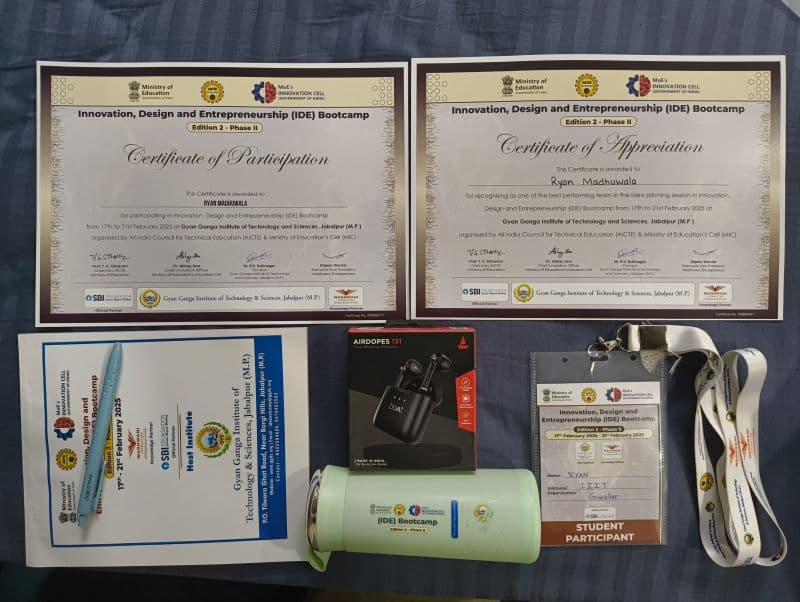
- Best pitch, IDE Bootcamp '25AICTE & MoE Innovation Cell
- First commitBuilt for the maintainers around me
- Accepted as an LFDT labApproved by five TAC members
- HandoverFocus shifted to Caracal